Image
Image
Image

Diarrhea 101

Understanding Different Types of Diarrhea

Image
Image
Image

CAUSES, SYMPTOMS AND EFFECTIVE REMEDIES

Acute Diarrhea

Acute diarrhea is characterized by three or more loose or watery stools per day1,2 and is a common problem worldwide1. It often accompanies symptoms like nausea, vomiting, stomach cramps, or even fever2, lasting for a few hours to a couple of days3.

Acute diarrhea can be caused by infectious agents such as viruses, bacteria, and parasites. These harmful microorganisms can enter your body through unhygienic food preparation, contaminated water, or poor personal hygiene1,2. Additionally, certain medications, like antibiotics, can also trigger acute diarrhea4.

Preventing acute diarrhea starts with simple yet effective measures that you can adopt in your daily life. These include regular hand washing with soap, practicing good food hygiene, maintaining improved sanitation practices, and ensuring access to clean and safe drinking water1.

When it comes to treating acute diarrhea, there are consumer-friendly options available that can help alleviate symptoms and speed up recovery. Consider the following1,2 :

  • Oral rehydration therapy
  • Anti-diarrheal treatment
  • Zinc supplements
  • Nutrient-rich food
  • Probiotics
Image

NAVIGATING SIDE EFFECTS

Antibiotic-Associated Diarrhea

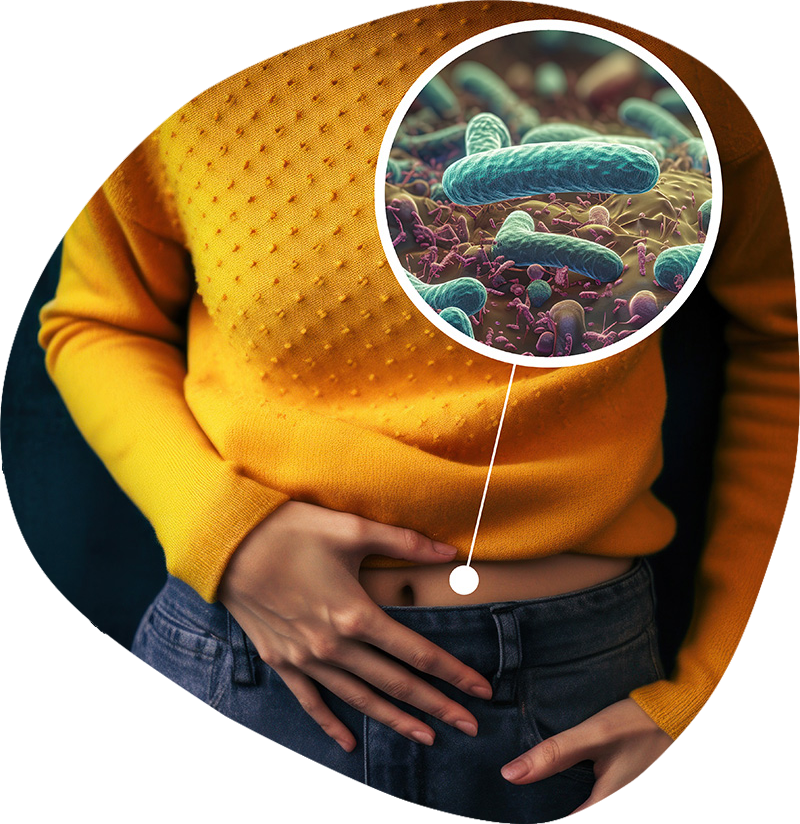
Antibiotics are effective in treating many infectious diseases. However, they can also have unintended consequences, such as disrupting the diversity of the gut microbiota, leading to a condition known as Antibiotic-Associated Diarrhea (AAD)5.

AAD typically occurs during antibiotic treatment, but it's important to note that diarrhea can also manifest 2 to 8 weeks after the completion of antibiotic therapy6.

The onset of AAD can be influenced by factors such as the type of antibiotic used and the overgrowth of harmful bacteria in the gut following antibiotic use6. In fact, approximately one-third of AAD cases are caused by a bacteria called Clostridium difficile, which may even recur6.

Reference:

  1. WHO. Diarrheal disease. https://www.who.int/news-room/fact-sheets/detail/diarrhoeal-disease. Last accessed 8th November 2019.
  2. Farthing M, et al. World Gastroenterology Organisation Global Guidelines: Acute diarrhea in adults and children. February 2012. https://www.worldgastroenterology.org/guidelines/global-guidelines/acute-diarrhea/acute-diarrhea-english. Last accessed 17th December 2019
  3. Feizizadeh S, Salehi-Abargouei A, and Akbari V. Efficacy and safety of Saccharomyces boulardii for acute diarrhea. Pediatrics. 2014. 134(1): e176-e191.
  4. McFarland, LV. Systematic review and meta-analysis of Saccharomyces boulardii in adult patients. World journal of gastroenterology: WJG. 2010; 16(18): 2202.
  5. Francino, MP. Antibiotics and the human gut microbiome: dysbioses and accumulation of resistances. Frontiers in microbiology. 2016; 6: 1543.
  6. McFarland LV. Antibiotic-associated diarrhea: epidemiology, trends and treatment. Future Microbiology. 2008; 3(5): 563-578